Best Ethics & Compliance Case Management Software for 2026: Tools Compared
Managing ethics violations and workplace misconduct requires specialized compliance software that handles everything from anonymous intake to investigation resolution. Compliance management software, compliance tools, and compliance software solutions are essential for organizations to streamline compliance processes, automate tasks, monitor risks, and ensure adherence to industry standards and regulations.
Leading ethics and compliance case management software in 2026 is characterized by AI-driven automation and secure anonymous intake channels. Top ethics compliance case management software for 2026 focuses on AI-driven investigation, automated workflows, and comprehensive reporting.
In 2026, compliance teams face mounting pressure from remote workforce oversight, stricter regulatory requirements, and organizational demands for faster case resolution with complete audit trails.
This guide is for Chief Ethics Officers, Compliance Directors, and other members of ethics and compliance teams responsible for managing workplace misconduct cases. You’ll get an evaluation of eight platforms—Case IQ, HR Acuity, AllVoices, ServiceNow, Navex, EQS Group, Resolver, and SAI360—along with a practical framework for choosing the right solution.
Dedicated ethics and compliance case management software outperforms generic systems by providing structured workflows for investigations, maintaining chain of custody for evidence, and generating regulatory reporting that stands up to scrutiny. Other tools often lack the confidentiality controls, investigation protocols, and audit management capabilities that complex regulatory environments demand.
What Is Ethics and Compliance Case Management Software?
Ethics and compliance case management software is a specialized platform designed to manage the full lifecycle of workplace misconduct incidents, from initial complaint intake through investigation, resolution, and reporting. These platforms address ethics violations, harassment claims, discrimination complaints, conflicts of interest, and code of conduct breaches.
The core workflow follows a structured path: case intake captures complaints through multiple channels including anonymous reporting hotlines; investigation tracking documents interviews, evidence collection, and findings; resolution workflows ensure consistent disciplinary actions; and reporting and analytics provide visibility into compliance trends and regulatory adherence. These platforms automate and standardize compliance processes, enforce compliance controls, and help prevent compliance violations by reducing manual errors and ensuring consistent application of policies.
Unlike spreadsheets or homegrown tools, ethics & compliance platforms maintain rigorous audit trails that document every action taken during an investigation. This level of documentation supports legal defensibility and demonstrates due process in disciplinary matters.
AI and automation are increasingly shaping compliance case management software by enhancing efficiency and accuracy in compliance processes. The integration of AI can streamline processes and enhance decision-making, helping organizations proactively manage risk and resolve issues faster to boost compliance.
Common Use Cases for Ethics & Compliance Case Management Software
Whistleblower hotline report tracking: Receive, triage, and investigate reports submitted through anonymous channels while maintaining complainant confidentiality and meeting regulatory obligations for whistleblower protection.
Workplace harassment and discrimination complaint handling: Standardize investigation protocols that ensure consistent treatment across similar allegations, protecting both complainants and respondents while reducing organizational liability.
Code of conduct violations and disciplinary action tracking: Document policy breaches and associated corrective actions, providing evidence that organizations enforce compliance standards consistently across the workforce.
Benefits You Should Expect from Ethics & Compliance Case Management Software for Proactive Risk Management
Risk reduction through faster case resolution and consistent investigation processes: Standardize how your compliance teams handle allegations, ensuring that similar violations receive similar treatment and reducing the risk of inconsistent outcomes that create legal exposure. These platforms support risk mitigation strategies by enabling proactive assessment, historic case data analysis, and standardized reporting.
Time savings via automated workflows and standardized documentation: Eliminate manual effort in document drafting, workflow management, and reporting tasks. Compliance tasks that previously required hours of administrative work happen automatically through compliance workflows. Automation also reduces human error and improves consistency.
Enhanced visibility with dashboards and trend analysis: Surface patterns in misconduct that can inform compliance program improvements. Robust data analytics show hot spots and areas of risk you can address before issues escalate. A centralized dashboard provides visibility to monitor risk, track compliance cases and deadlines, and assign responsibility.
Improved audit readiness through complete case documentation and reporting: Create defensible records that satisfy internal audits and regulatory examinations. Complete audit trails demonstrate that investigations followed proper procedures.
Investing in the right compliance software solution can save organizations time, money, and stress. Automation and centralized dashboards not only improve consistency and efficiency but also reduce audit stress by making compliance activities more transparent and manageable.
What to Look For in Ethics & Compliance Case Management Software
A Solution Should Have Some of These Core Features
- Multi-channel case intake including web forms, hotlines, and dedicated email
- Anonymous reporting with two-way communication capabilities
- AI-assisted triaging based on case type, severity, and location
- Investigation workflow management with task tracking and notifications
- Resolution tracking and disciplinary action documentation
- Stakeholder notification and escalation protocols
- Case linking to uncover areas of risk
- Intuitive user interface for efficient navigation and minimal training
- Multi-language support for global organizations
- Mobile access for investigators in the field
Security & Regulatory Compliance
- SOC 2 Type II certification demonstrating operational security controls
- ISO 27001 certification for information security management
- GDPR compliance for processing EU resident data
- Role based access controls restricting case visibility
- Data retention policies aligned with data protection laws
- Automated compliance checks and policy violation flagging
- Secure collaboration options to work with external parties
Reporting & Analytics
- Centralized dashboards showing case volume, resolution time, and trends
- Customizable reporting for different stakeholder needs
- Trend analysis identifying patterns in misconduct types and locations
- Regulatory reporting templates for required disclosures
- Export functionality for board presentations and audit responses
- Scheduled report distribution to key stakeholders
- Tracking and addressing audit findings to ensure issues uncovered during audits are documented, monitored, and resolved as part of a comprehensive compliance and risk management process
Compliance management software should include features for documentation and reporting to ensure all necessary records are audit-ready and searchable.
Ethics Compliance Case Management Workflow Features
Case Intake and Standardization
Effective platforms provide multiple intake channels—web portals, hotlines, dedicated email addresses—that feed into a unified case management interface. This ensures consistent case handling regardless of how complaints arrive.
Automated compliance processes ensure intake forms capture all required information for regulatory adherence and starting an investigation, supporting organizations in maintaining audit readiness and consistent compliance.
Intake forms capture required information while remaining accessible to reporters who may be stressed or unfamiliar with formal processes. AI-assisted triage can guide intake specialists through initial triage decisions, ensuring appropriate escalation for high-severity allegations.
Investigation Timeline and Activity Tracking
Investigation management requires visibility into every action taken on a case. Timeline views show when interviews occurred, evidence was collected, and decisions were made. Activity tracking documents who performed each action and when. Integrated risk assessments and tracking of audit findings further support thorough investigation management by ensuring that potential risks and documented issues uncovered during audits are systematically addressed within the case workflow.
Stakeholder communication tools enable investigators to update relevant parties without compromising confidentiality. Milestone tracking ensures investigations progress through required stages within organizational timeframes.
Evidence Collection and Document Management
Secure file storage maintains the integrity of evidence throughout investigations. Version control tracks document modifications, while access logs demonstrate who viewed sensitive data and when.
Strong data governance frameworks further ensure the integrity and compliance of all evidence and documentation, supporting regulatory requirements and risk mitigation within GRC systems.
A system with this strong documentation supports legal defensibility by creating a record of how evidence was collected, stored, and accessed. Integration with email systems captures relevant communications automatically.
Audit-Ready Reporting and Case Closure
Case closure workflows ensure all required documentation is complete before marking investigations as resolved. Case summary templates guide investigators through final reporting requirements.
Documenting findings is essential for reporting and case closure, ensuring that all issues are addressed, reducing risk.
Templates that meet regulatory reporting requirements help teams generate disclosures required by various jurisdictions and regulatory bodies. Case archives preserve closed cases for required retention periods while maintaining searchability for audit responses and consistent case handling.
Integrations and System Connectivity
HRIS integration pulls employee data automatically, eliminating duplicate data entry and ensuring case records reflect current organizational information. SSO integration simplifies user access while maintaining security.
Compliance case management software and compliance software solutions should support seamless integration with existing systems to reduce duplicate work and ensure consistent data.
Email and calendar integration streamlines investigation scheduling and communication documentation. Connections to existing systems like Slack or Microsoft Teams enable notification delivery through channels teams already use.
Leading tools use API-first architectures to connect with HRIS, ERP, and IT ticketing systems.
Ethics & Compliance Case Management Software for 2026
This evaluation compared platforms across feature depth, AI capabilities, configurability, regulatory compliance support, as well as their ability to deliver centralized risk management and continuous compliance.
Case IQ - Best Ethics & Compliance Case Management Software for 2026
Case IQ provides an end-to-end suite of tools for managing workplace incidents and compliance cases, including ethics and compliance case management software, as well as solutions for compliance monitoring, third-party management, and approvals and disclosures. The platform addresses ethics violations, HR issues, and compliance cases through configurable workflows that adapt to organizational requirements.
Key features
- Multi-channel case intake with anonymous reporting capabilities
- Centralized case tracking across ethics, HR, fraud, and compliance case types
- Configurable investigation workflows with task reminders to keep cases on track
- Evidence management with secure file storage and chain of custody documentation
- Customizable reporting and analytics dashboards
- Reporting hotline integration for centralized intake management
AI capabilities
- Clairia AI assistant provides relevant insights and suggestions to support investigations
- Automates repetitive tasks so team members can focus on strategic planning and other complex work
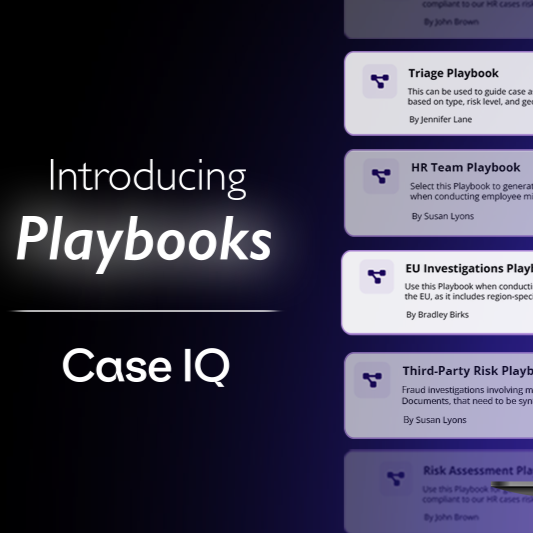
- Drafts documents such as case summaries and timelines based on internal policies and playbooks
Ideal for
- Mid-market to enterprise organizations managing complex compliance requirements across multiple case types
What Customers Have to Say About Case IQ
What do you like best about Case IQ?
Case IQ is a robust software solution. The tool allows us to quickly get insight into our compliance activities and ensure that our case resolutions are equitable and fair. Our ability to configure the tool and build powerful, automated reports is incredibly helpful to both decision-makers and daily users. -Jeff R., Manager - Business Analysts, Ethics
It is an entry level system that provides outstanding value for the service it provides. It is easy to install and easy to use. Their customer support is unmatched. -Patrick R., Associate General Counsel and Compliance Officer
Case IQ has powerful analytics capability that allows organizations to identify organizational risks and ensure a first line of support for compliance and global ER issues. System is completely configurable to current practices or industry best practices and allows flexibility to scale up in other areas as requried for your organization. System seems clean and easy to use and can ensure security roles and sharing of key pieces with outside stakholders e.g. legal as needed. -Susan K., Head of People & Culture
See Case IQ in Action
Book a call today to see how Case IQ's ethics & compliance case management software (and other compliance tools) can help your team reduce risk from end to end.
Book NowHR Acuity
HR Acuity focuses on employee relations case management, providing tools designed for HR teams handling workplace investigations and employee conduct issues. The platform focuses on documentation and consistency in how organizations manage employee-related matters.
Key features
- Employee relations case documentation and tracking
- Investigation workflow management with HR-specific templates
- Case trend analysis and reporting for workforce insights
- Integration with common HRIS platforms
- Standardized documentation for disciplinary actions
Ideal for
- HR-driven workplace investigations with dedicated employee relations teams
Considerations
- Scope focuses primarily on employee relations rather than broader ethics and compliance functions
- Integration requirements may vary based on existing HR technology stack
AllVoices
AllVoices provides an employee feedback and ethics reporting platform with accessible reporting channels employees can use to surface concerns and provides organizations with visibility into workplace culture issues.
Key features
- Anonymous reporting with two-way communication capabilities
- Employee sentiment analysis and feedback collection
- Multiple intake channels including web and mobile
- Culture and engagement insights alongside case management
- Trend identification across employee-reported concerns
Ideal for
- Companies focusing on culture improvement alongside formal case management
Considerations
- Investigation workflow depth may be limited compared to platforms focused specifically on complex case management
- Organizations with heavy investigation requirements may need supplemental tools
ServiceNow
ServiceNow approaches ethics case management through its broader GRC platform, integrating compliance functions within the organization’s IT service management ecosystem.
Key features
- GRC module integration with broader ServiceNow ecosystem
- Workflow automation using ServiceNow’s established process engine
- IT service management integration for technology-related ethics cases
- Enterprise-scale architecture supporting large organizations
- Extensive integration capabilities with enterprise systems
Ideal for
- Large enterprises already invested in the ServiceNow ecosystem
Considerations
- Complexity requires significant implementation investment
- Organizations without existing ServiceNow infrastructure face higher adoption barriers
Navex
Navex offers an ethics and compliance platform that combines hotline services with case management and policy management capabilities.
Key features
- Incident management hotline services with professional intake
- Case management for ethics and compliance investigations
- Policy management and distribution capabilities
- Compliance training integration
- Regulatory intelligence and compliance monitoring
Ideal for
- Organizations needing full-service ethics program management
Considerations
- Comprehensive feature set may include capabilities beyond immediate needs
- Pricing reflects full-service platform scope
EQS Group
EQS Group addresses EU-specific requirements for whistleblower protection and data privacy with its platform.
Key features
- Whistleblowing platform meeting EU Whistleblower Protection Directive requirements
- Case management for investigation tracking and resolution
- GDPR-compliant data handling and storage
- Multi-language support for European operations
- Regulatory compliance documentation for EU requirements
Ideal for
- European organizations with specific EU regulatory requirements and whistleblower protection obligations
Considerations
- Global deployment capabilities may be limited compared to platforms with broader geographic focus
- Feature depth in investigation management varies
Resolver
Resolver approaches ethics case management within its broader risk and incident management platform. The solution integrates compliance cases with operational risk management.
Key features
- Case management within integrated risk platform
- Operational risk correlation and analysis
- Incident management across multiple risk categories
- Risk intelligence dashboards and reporting
- Integration with enterprise risk management frameworks
Ideal for
- Organizations seeking to integrate ethics cases with broader operational risk management programs
Considerations
- Ethics-specific features may be less developed than dedicated ethics compliance platforms
- General risk management focus may require configuration for ethics use cases
SAI360
SAI360 provides an integrated GRC approach that combines ethics case management with compliance training, policy management, and risk assessment capabilities.
Key features
- Case intake and investigation management within GRC suite
- Compliance training and learning management
- Policy management and attestation workflows
- Risk assessment and monitoring capabilities
- Regulatory compliance tracking across multiple frameworks
AI capabilities
- Predictive risk assessment identifies potential compliance issues
- Analytics capabilities support proactive risk management
Considerations
- Platform complexity requires implementation planning
- Scope may exceed needs for organizations focused specifically on case management
Conducting Ethics & Compliance Investigations with Case Management Software eBook
Download our eBook to learn more about how Case IQ helps teams investigate every type of fraud, bribery, and corruption using one case management tool.
Download eBookHow to Choose Ethics Compliance Case Management Software
Step-by-Step Evaluation Process
- Assess current organizational requirements by documenting existing case volumes, case types, pain points with current processes, and specific compliance obligations that drive software needs.
- Align stakeholders on priorities by gathering input from compliance officers, HR leadership, legal teams, and IT regarding must-have features, integration requirements, and implementation constraints.
- Evaluate vendors against requirements by comparing compliance software solutions. Use structured demonstrations centered on specific use cases rather than generic feature tours.
- Conduct pilot testing with real (or realistic) scenarios to evaluate usability, workflow configuration, and reporting capabilities before full commitment.
- Plan implementation and change management including data migration, user training, and phased rollout strategies that minimize disruption to ongoing compliance activities.
Questions to Ask Vendors
- What case volumes can the platform handle without performance degradation?
- How does the platform support anonymous reporting and two-way communication?
- What integration options exist for our HRIS, SSO, and email systems?
- What security certifications does the platform hold, and when were they last audited?
- How configurable are workflows without requiring vendor professional services?
- Does the platform offer an intuitive user interface to ensure high adoption rates among staff?
- How deep and configurable are the compliance controls within the platform for managing regulatory adherence, audit processes, and risk mitigation?
- What regulatory reporting templates are available out of the box?
- What training and support options are included versus additional cost?
- How does pricing scale as case volume or user count increases?
- What is the typical implementation timeline for organizations similar to ours?
- How does the platform handle multi-jurisdictional investigations with different legal requirements?
- What data retention and deletion capabilities support our compliance policies?
- How frequently does the platform receive updates, and how are they deployed?
ROI: How to Measure Success
- Average case resolution time compared to pre-implementation baseline
- Percentage of cases documented with complete audit trails
- Reduction in time spent on compliance reporting and audit preparation
- Investigation quality scores based on documentation completeness
- Compliance status improvement in regulatory examinations
- Cost per case including software, labor, and external investigation expenses
- Employee satisfaction with reporting channels and response timeliness
- Trend identification speed and proactive risk identification
- Training completion rates for investigation staff
- Audit findings reduction and compliance violations reduction related to case management processes
Common Mistakes When Choosing Ethics and Compliance Case Management Software
Choosing based on price alone without considering total cost of ownership overlooks implementation costs, training requirements, integration expenses, and ongoing configuration needs that significantly impact true platform costs.
Resistance to change from employees can hinder successful adoption, while integration with existing systems may create data silos and inefficiencies. The high cost of compliance case management software can also be a barrier, especially for smaller organizations. To address these issues, it is crucial to streamline compliance processes and invest in comprehensive training and ongoing support to ensure staff can effectively use the software.
Underestimating integration complexity with existing systems leads to longer implementation timelines and workarounds that reduce platform effectiveness. Assess integration requirements early and validate vendor claims with technical evaluation.
Failing to involve key stakeholders in the selection process results in solutions that meet some needs while creating friction for teams whose requirements weren’t considered. Include compliance, HR, legal, and IT perspectives from the beginning.
Not planning adequate change management and user training undermines adoption even when the selected platform meets technical requirements. Budget time and resources for comprehensive training and ongoing support.
Overlooking scalability needs for future organizational growth creates situations where platforms that work today become constraints as case volumes increase or organizational complexity grows. Evaluate platforms against three-to-five-year projections.
FAQ
What is the best ethics and compliance case management software?
Case IQ is widely recognized as the best ethics and compliance case management software. It offers a unified platform that consolidates case intake, investigation management, and reporting within a centralized interface. With advanced AI capabilities like Clairia for intelligent case triage and workflow optimization, Case IQ delivers highly configurable workflows, secure evidence management, and comprehensive analytics. It is ideal for mid-market to enterprise organizations managing complex compliance requirements across multiple case types, providing efficiency, risk reduction, and regulatory readiness.
What is ethics & compliance case management software?
Ethics & compliance case management software manages the full lifecycle of workplace misconduct cases, from intake through investigation, resolution, and reporting. These platforms provide structured workflows, audit trails, and reporting capabilities specifically designed for ethics and compliance investigations. Compliance management software, compliance tools, and compliance software solutions streamline compliance processes, automate tasks, and support regulatory adherence across various frameworks and industry standards.
How long does implementation typically take?
Implementation timelines range from a few weeks for straightforward deployments to several months for complex configurations with extensive integrations and customization. Most organizations should plan for two to four months including configuration, testing, and training.
Does it integrate with HRIS and other business systems?
Most platforms offer integration capabilities with common HRIS platforms, SSO providers, and enterprise systems. Integration depth varies by vendor—evaluate specific integration requirements during vendor evaluation.
What security certifications should I look for?
SOC 2 Type II certification demonstrates operational security controls. ISO 27001 certification indicates formal information security management. GDPR compliance matters for organizations processing EU resident data. Evaluate certifications against your organization’s security requirements.
How much does ethics and compliance case management software cost?
Pricing models vary significantly based on user count, case volume, feature tiers, and deployment type. Expect costs ranging from modest annual subscriptions for smaller deployments to significant enterprise investments for comprehensive platforms. Request detailed pricing based on your specific requirements.
What’s the typical ROI timeline for these platforms?
Organizations typically see measurable improvements in case resolution time and audit readiness within the first year. Full ROI realization often occurs over eighteen to twenty-four months as process improvements compound and the organization’s compliance posture matures.
Can the software handle anonymous reporting?
Most dedicated ethics compliance platforms include anonymous reporting capabilities with two-way communication features that allow follow-up questions while preserving reporter anonymity. Verify specific capabilities during vendor evaluation.
How does AI enhance ethics case management?
AI capabilities range from basic case triage to sophisticated trend detection and risk scoring. Advanced platforms use AI to identify patterns across disparate risk data, suggest investigation approaches, and reduce human error in case triage decisions. Case IQ's Clairia AI assistant helps investigators by streamlining tedious tasks, making smart suggestions, drafting documentation, and offering insights.
Conclusion
Dedicated ethics and compliance case management software addresses the specific requirements of workplace misconduct investigations that other solutions cannot meet. The best fit depends on your organization’s size, complexity, regulatory environment, and existing technology investments.
Request a demo of Case IQ today to see how we can help your team reduce risk just with ethics and compliance case maangement software, but our suite of other compliance tools as well.