Case IQ Research Study: AI and Whistleblowing: Through the Employee Lens (Australia)
Study Overview
The primary objective of this study was to examine employee perceptions and experiences related to whistleblowing across five countries—USA, Canada, Australia, France, and Brazil. This report focuses on Australia. The research aimed to assess how comfortable employees feel reporting misconduct, their confidence in organizational protection against retaliation, and the perceived effectiveness of whistleblowing programs. Additionally, the study explored the role of organizational culture and leadership in fostering ethical behavior, and evaluated attitudes toward the use of AI-driven whistleblowing tools. By comparing responses across diverse cultural and organizational contexts, the study sought to identify key factors that influence whistleblowing behavior and inform best practices for creating safer, more transparent reporting environments globally.
This was a cross-national quantitative survey conducted across five countries: the USA, Canada, Australia, France, and Brazil. Total Respondents: Approximately 1,090 participants. Country Samples: Each country had a sample size ranging from 210 to 226 respondents. Collected demographics included gender, age, job tenure, customer-facing role (desk-based vs. deskless), and ethnicity (in country-specific files). The survey included both frequency-based and scale-based questions, with responses to scale-based questions measured on Likert-type scales (typically 1–5). Openended (qualitative) responses were also recorded. ANOVA (Analysis of Variance) was used to compare means across countries for key variables. Data were collected through online recruitment platforms (i.e., via online survey platforms) with standardized questions across all countries to ensure comparability.
Workplace Incidents & Reporting
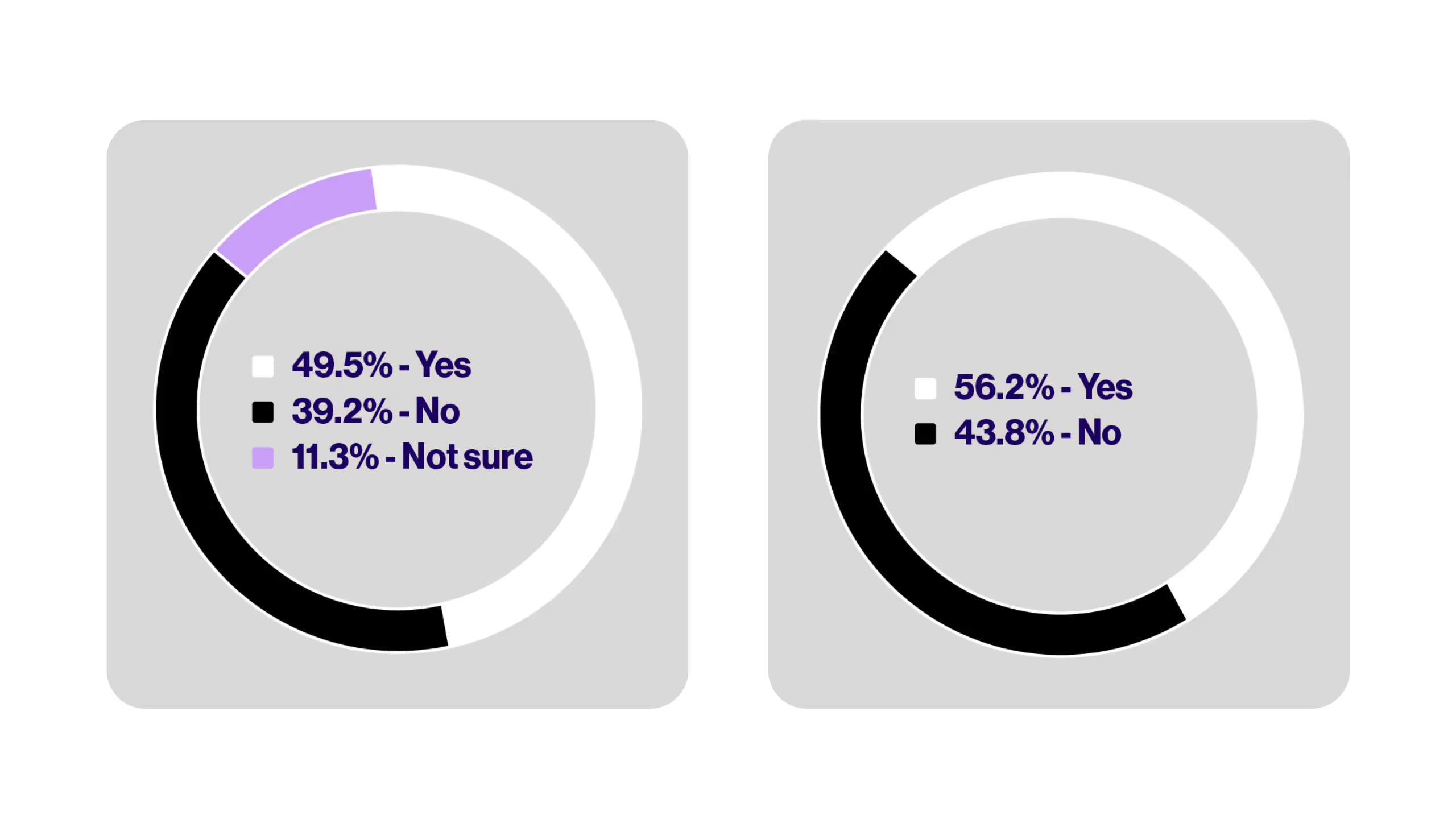
Nearly 50% of Australian respondents said they had witnessed misconduct. This is lower than the U.S. (81%) and Canada (57.5%), suggesting either lower observed misconduct or greater hesitancy in reporting such incidents in Australia. Fifty-six percent reported the issue, while 43.8% did not. This is also a lower reporting rate than the U.S (73%) and Canada (59%). The results indicate a significant confidence or safety gap in Australia regarding reporting channels. A striking 74.1% said they have not witnessed retaliation; however, Australia’s lower reporting rate could be masking the visibility of retaliation.
Whistleblowing Programs & Company Culture
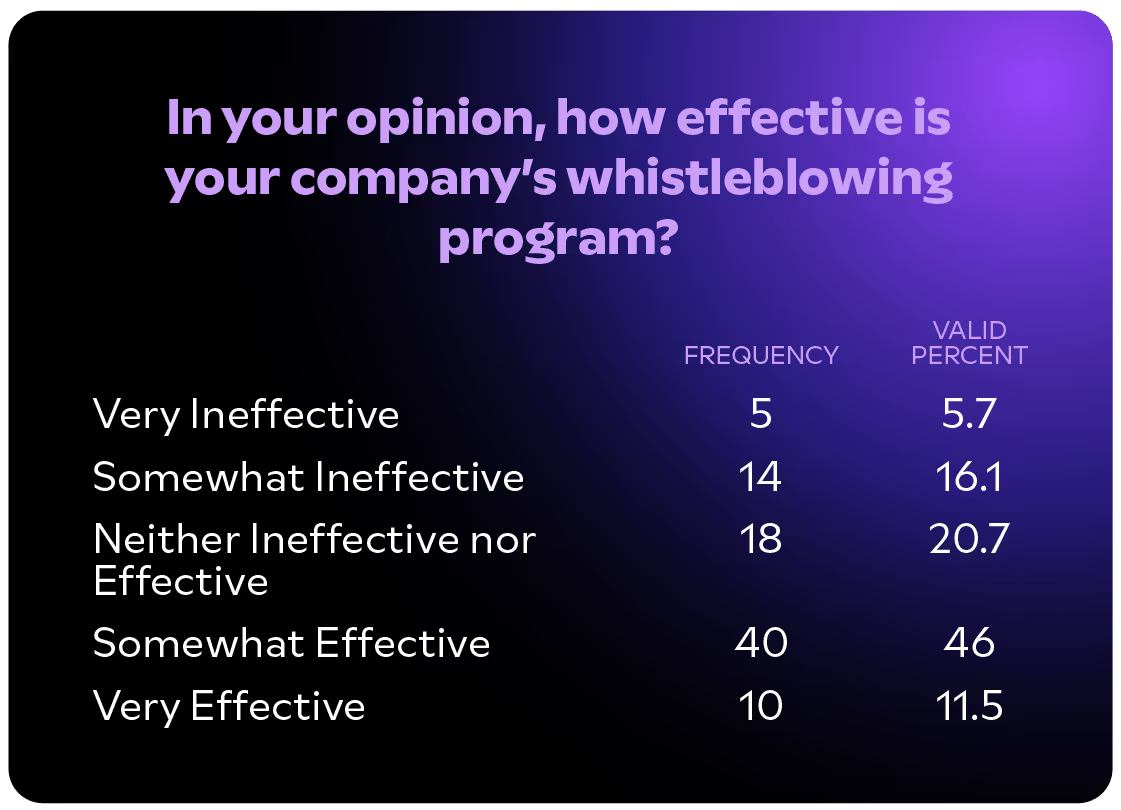
While a majority of respondents (58%) perceive their company’s whistleblowing program as effective, there is still work to be done. An earlier chart revealed only 41% stated their company had a whistleblowing program, leaving a significant opportunity for Australian employers to introduce a whistleblowing initiative. The low penetration rate of whistleblowing programs may indicate a cultural barrier or a lack of psychological safety in reporting. For organizations that have programs in place, communication and accessibility are areas for improvement to improve the program’s perceived effectiveness.
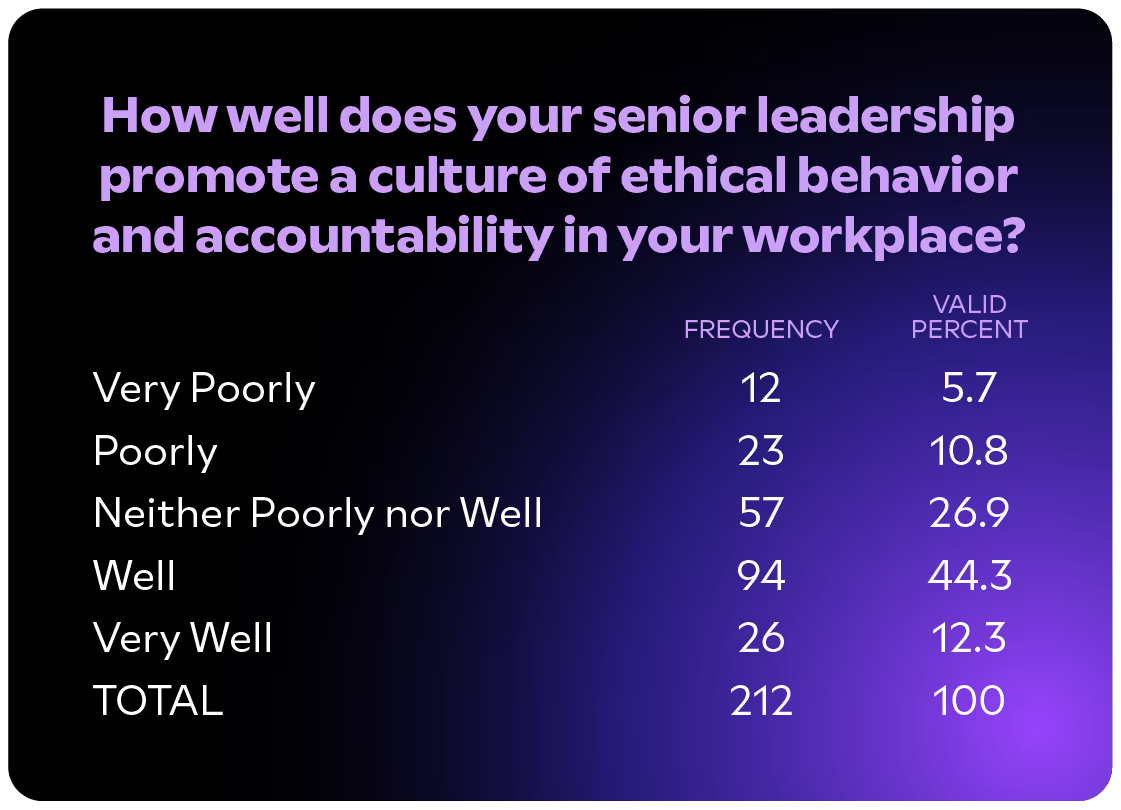
An ethical culture is a must-have requirement to foster a safe, speak-up culture. Senior leaders in Australian organizations receive decent marks for doing so, with nearly 57% of respondents believing that their senior leadership teams promote a culture of ethical behavior and accountability. That figure is lower than the US (78%) and approximately the same as Canada’s (56%). Leadership messaging on integrity may not be consistently reaching or resonating with employees. This undermines the effectiveness of whistleblowing systems and can discourage reporting, especially if employees fear consequences or don’t believe misconduct will be taken seriously.
Artificial Intelligence
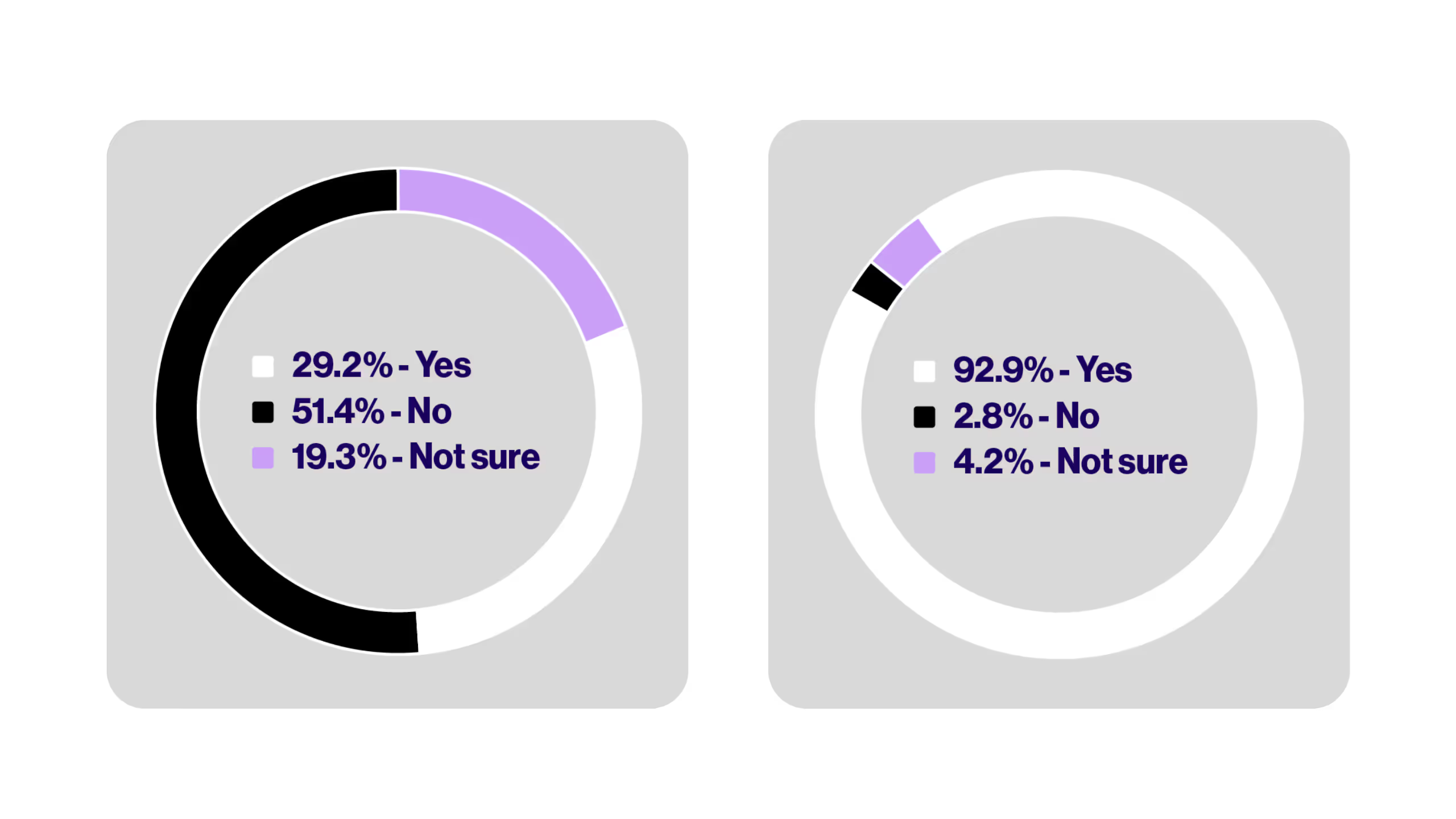
Australian employees appear cautiously optimistic about the use of AI in whistleblowing tools, which is a sign that the market is still maturing and more education is needed. A majority (51.4%) are not concerned about their organization using AI for whistleblowing purposes, suggesting a relatively high level of initial openness to the technology. However, nearly one in three (29.2%) express concerns, pointing to lingering skepticism—most likely tied to data privacy, identity protection, and trust in algorithmic decision-making. The relatively low concern about AI use (compared to U.S. or Canadian respondents) signals openness, but organizations should not take that trust for granted. Clear policies and human oversight will be essential. The large proportion of ‘Not Sure’ responses across all three questions indicates a knowledge gap. Employees may not fully understand how AI is used in this context, which presents a critical communications opportunity. With half of the respondents believing AI can make whistleblowing safer and more confidential, there’s strong potential to use AI as a trust-building tool, which could lead to an increase in reporting rates.
To read our full findings and recommendations, read the report.

About the Author
Shannon Walker is the Founder and President of WhistleBlower Security Inc. and the Executive VP of Strategy at Case IQ. WBS was founded in 2005 and acquired by Case IQ in 2023 after years of partnering on global intake solutions for mutual clients. Shannon is a thought leader on whistleblowing, ethics, corporate culture, and diversity in the workplace. A former elected City Official, Shannon has also sat on numerous non-profit and community boards and is currently on the BC Epilepsy Society Board.

About the Researcher
Dr. Rene Arseneault is an assistant professor of human resources at the University of Laval. His research focuses include recruitment and selection, personality, job design, and cross-cultural differences in the workplace. He has published over a dozen academic, peer-reviewed articles and presented his work at top-tier conferences worldwide.