UK Whistleblowing: Practical Guidance for Employers
UK whistleblowing law protects workers who make a protected disclosure under the Public Interest Disclosure Act 1998 (PIDA). Most employers do not yet have to run a reporting channel, but that may change after the government's 2026 consultation. This guide explains who is protected, how to tell whistleblowing from a personal grievance, and how to give managers a clear whistleblowing policy and process for receiving, assessing and responding to concerns.
Who Does This Guidance Apply To?
PIDA protects 'workers', a wider group than employees that includes agency workers, trainees, some contractors and LLP members. All workers are protected from detriment, such as demotion or harassment, by the employer or by colleagues. Only employees can claim automatically unfair dismissal, which needs no minimum length of service; other workers claim for detriment instead, including when their contract is ended.
Most UK employers have no legal duty to run a whistleblowing channel, but every employer must avoid retaliating against workers who raise concerns. Government guidance recommends a written whistleblowing policy, several reporting routes, confidentiality, a named handler and timely feedback. No agreement can stop a worker making a protected disclosure. A duty for employers with 50+ staff is under consultation.
Banks, insurers and investment firms regulated by the FCA and PRA must run internal arrangements under SYSC 18 and appoint a Whistleblowers' Champion. Listed companies follow the UK Corporate Governance Code, and NHS bodies have Freedom to Speak Up Guardians. Northern Ireland has its own equivalent legislation. UK groups with EU subsidiaries must also meet local laws under the EU Directive.
Understand the Rules and Put Them Into Practice
UK whistleblower protection rests on the Public Interest Disclosure Act 1998 (PIDA), which added Part IVA to the Employment Rights Act 1996. It protects workers who make a protected disclosure from dismissal and detriment, and makes void any agreement term that stops them making one.
A disclosure qualifies if the worker reasonably believes it is in the public interest and that it tends to show a criminal offence, a breach of a legal obligation, a miscarriage of justice, a danger to health or safety, damage to the environment, or the deliberate concealment of any of these. Since 6 April 2026, sexual harassment is also a qualifying category. Personal grievances, such as a dispute about your own pay, usually do not qualify unless they have a wider public interest element.
Unlike the EU Whistleblower Directive, UK law focuses on protecting individuals rather than requiring internal channels. Workers can also report to more than 90 prescribed persons, such as the FCA, HMRC or the Health and Safety Executive, and keep their protection.
Example: an employee tells her manager that a colleague is falsifying safety inspection records. That is likely to be a protected disclosure. Her complaint that she was passed over for overtime is a grievance and follows your grievance procedure.
Most UK employers have no legal duty to run a whistleblowing channel or adopt a policy. Every employer must however avoid dismissing or subjecting workers to detriment for making a protected disclosure and government guidance recommends a written policy.
Specific duties apply to some organisations:
• Banks, building societies, insurers and PRA-designated investment firms must run effective internal arrangements under FCA SYSC 18 and the PRA Rulebook. They must appoint a Whistleblowers' Champion, report to the board at least once a year, accept anonymous reports and tell staff they can go directly to the FCA or PRA.
• Listed companies must let their workforce raise concerns confidentially and anonymously under the UK Corporate Governance Code, with board oversight.
• Large organisations rely on speak-up procedures for the 'reasonable procedures' defence to the failure to prevent fraud offence.
• NHS bodies have Freedom to Speak Up Guardians and a national speak-up policy.
Good practice, drawn from government guidance and ISO 37002, includes several reporting routes (online, phone and in person), confidentiality and anonymity, a named impartial handler, timely feedback and record keeping.
Reports often contain special category or criminal offence data, so UK GDPR applies. You need a lawful basis, a data protection impact assessment, access controls and defined retention periods.
Example: a 300 person insurer must meet SYSC 18 in full. A 300 person manufacturer has no statutory duty, but the same policy, channel and records will help it defend a tribunal claim and prepare for a possible duty for employers with 50+ staff.
The UK never transposed the EU Whistleblower Directive pre-Brexit, so there is no statutory 7 day acknowledgement or 3 month feedback rule. SYSC 18 requires financial firms to handle reports effectively and promptly but sets no fixed days. The government's consultation proposes set timescales, broadly following Ireland's model.
The deadlines that matter now are for claims:
• Interim relief: a dismissed whistleblower must apply within 7 days of dismissal to ask a tribunal for reinstatement or continued pay until the hearing. The consultation proposes 14 days.
• Tribunal claims: for acts on or after 1 October 2026, workers have 6 months less one day to bring a claim, up from 3 months. ACAS early conciliation comes first and can pause the clock for up to 12 weeks.
Key dates to track:
• 6 April 2026: sexual harassment became a qualifying disclosure.
• 1 September 2026: FCA non-financial misconduct rules apply, so retaliation can breach the Conduct Rules.
• 12 October 2026 to 8 January 2027: government consultation open.
• Early 2027: FCA proposals on how it treats whistleblowers.
Example: set an internal target to acknowledge reports within 7 days and give feedback within 3 months. Because claims can now be brought up to 6 months after an act, keep investigation records for longer than before.
The UK has no single whistleblowing authority. Workers enforce their own rights in the employment tribunal, after ACAS early conciliation. Awards for whistleblowing dismissal and detriment are uncapped, tribunals can order reengagement or interim pay, and managers or colleagues who retaliate can be ordered to pay compensation personally.
Regulators act on the disclosures they receive. The FCA received 1,375 new whistleblowing reports between April 2025 and March 2026, and whistleblower information led to 523 instances of direct action. FCA and PRA firms and their senior managers face fines and censure for breaching SYSC 18 or the Conduct Rules.
Two cases show the stakes:
• Barclays (2018): the FCA and PRA fined CEO Jes Staley £642,430 for trying to identify an anonymous whistleblower, the first case under the Senior Managers Regime.
• Simon Andriesz: a former broker who reported concerns to the FCA from 2017 was wrongly told he had lost protection once his identity became known. After his death in September 2026, the FCA launched a review of how it handled his case.
Large organisations also face unlimited fines for failure to prevent fraud where weak speak-up procedures undermine their defence, and the ICO enforces UK GDPR in reporting systems. There is currently no criminal offence of retaliating against a whistleblower.
Example: if a line manager tries to find out who sent an anonymous report, both the manager and the firm can face liability.
UK whistleblowing law is moving toward the EU model. The government's consultation, open until 8 January 2027, could make internal channels mandatory for private employers with 50+ staff and all public bodies, with civil penalties for failure. It also proposes set response timescales, wider protection for groups such as non-executive directors and volunteers, a 14-day interim relief window and simpler external reporting. A government response is expected in 2027.
The SFO is also consulting on paying whistleblowers a percentage of corporate penalties for original information about fraud and bribery. With new SFO guidance rewarding early self-reporting, a company that sits on an internal report risks a rewarded whistleblower reaching the SFO first. Proposals for an independent Office of the Whistleblower continue in Parliament, and the FCA will share its proposals in early 2027.
Practical steps now:
1. Check whether you would fall within a duty for employers with 50+ staff.
2. Review your whistleblowing policy for confidentiality, anonymity, clear routes and the sexual harassment category.
3. Set internal targets, such as 7 days to acknowledge and 3 months to give feedback.
4. Make sure fraud and bribery reports reach decision makers quickly.
5. Train managers on retaliation risk and personal liability.
6. Consider responding to the consultation by 8 January 2027.
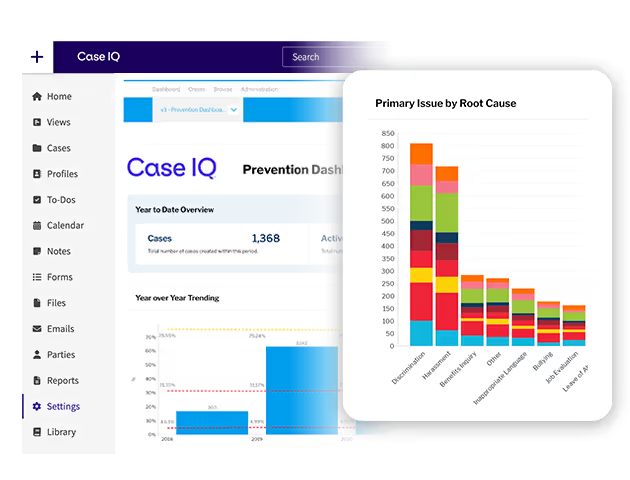
Build Trust and Strengthen Whistleblower Reporting with Case IQ
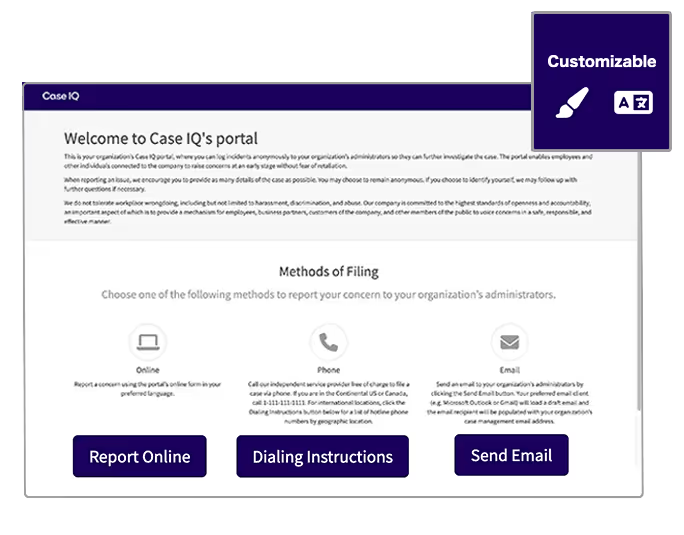
Empower employees and stakeholders to speak up safely and confidently with Case IQ's secure, accessible and multilingual whistleblower hotline. With 24/7 reporting, anonymous and confidential reporting options, and seamless integration with investigative case management, Case IQ helps organisations capture concerns early, protect reporter identities and manage every report from intake through to resolution.
- Accessible, multi-channel reporting: Give employees, business partners and the public convenient ways to raise concerns through a 24/7/365 live-answer hotline, web forms, email and mobile-friendly reporting, with multilingual support.
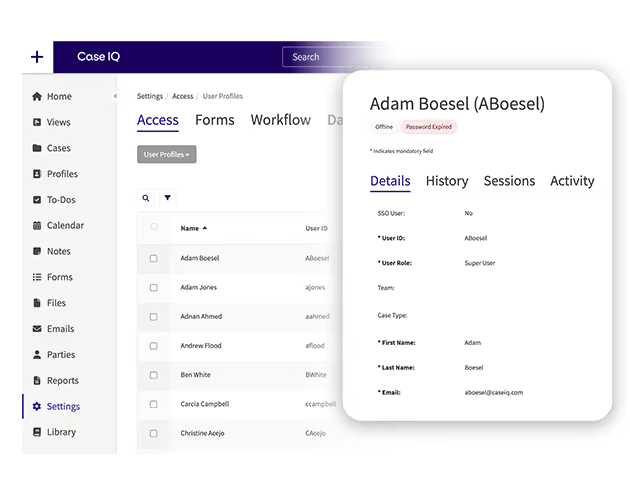
- Secure, confidential follow-up: Enable two-way communication with reporters, including those who choose to remain anonymous, while protecting sensitive information through role-based access controls.
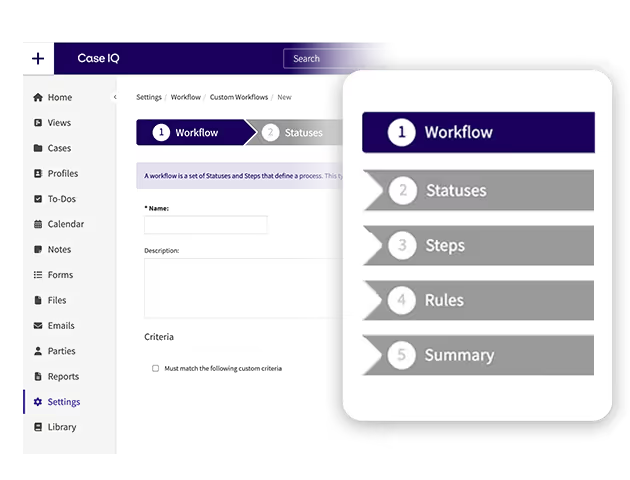
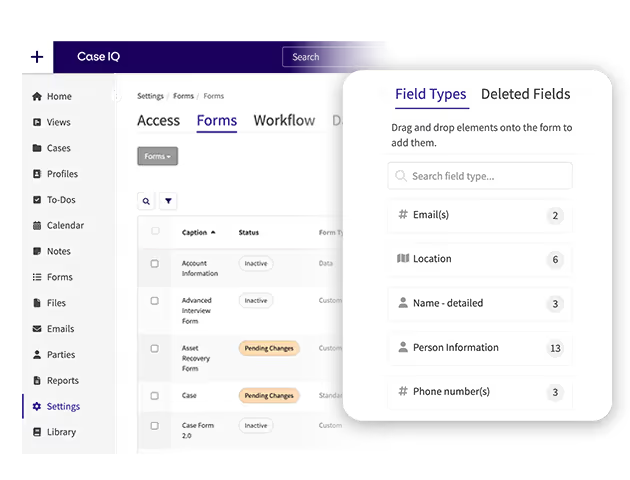
- Streamlined case management: Automatically capture and route reports into Case IQ's case management platform, where teams can document investigations, track actions and maintain a clear audit trail through to resolution.
- Stronger programme oversight: Use reporting dashboards and case analytics to identify trends, monitor outcomes and strengthen accountability, while maintaining organisational responsibility for reporting policies, investigation procedures and whistleblower protection.
Further Guidance and Practical Resources
A starting point for a clear reporting procedure.
Understand the EU framework and implementation considerations.
Practical guidance on communication and report handling.
FAQs
Use the guide for each country where you have a legal entity or employ workers. Whistleblowing duties attach to each entity: a UK parent with a German subsidiary of 50+ employees follows the UK guide for UK staff and Germany's HinSchG for the subsidiary. Where requirements differ, configure your programme to meet the strictest one that applies.
Yes. Protection under PIDA does not depend on anonymity. A worker who makes a protected disclosure keeps that protection even if managers or colleagues find out who they are. The Simon Andriesz case shows the risk of getting this wrong: an FCA official wrongly told him he had lost protection once his identity became known, and the FCA later accepted that advice was wrong.
No. Software supports compliance but does not establish it. You still need a written policy, trained and impartial handlers, a process for investigating and responding to reports, and protection from retaliation. A secure platform helps you show these work in practice, with confidential and anonymous reporting, two-way communication, time-stamped records, response deadlines and board reporting.
