Whistleblowing Compliance: Guidance for Employers
Whistleblowing compliance means more than having a hotline. Employers need reporting channels people trust, a fair process for assessing and following up concerns, and protection for the people who speak up. This guide explains how a reporting programme works and links to detailed guidance for each country's different rules.
Find the Rules for Your Organisation’s Operations
Build a Reporting Programme Around Clear Responsibilities
Whistleblowing lets people raise concerns about wrongdoing safely, and make sure the organisation acts on them. It links four connected tasks: receiving a report through a trusted channel, assessing whether it is credible and in scope, acting on it through investigation or remediation and responding to the whistleblower with feedback. Whistleblower protection runs through all four: people who speak up must not suffer retaliation.
Germany, the UK and Switzerland handle these tasks very differently. Germany's Whistleblower Protection Act (HinSchG) implements the EU Whistleblower Directive and goes beyond it, covering all criminal offences. The UK is outside the Directive: the Public Interest Disclosure Act 1998 (PIDA) protects workers from retaliation, but most employers have no duty to run a channel, with FCA and PRA firms the main exception. Switzerland has no whistleblowing law. Protection comes case by case from the Code of Obligations and secrecy laws make external disclosure risky.
Each country guide sets out the detailed rules. This page explains how to build one programme that works across all three.
Example: an employee of a German subsidiary reports suspected bribery by a UK sales manager. The German entity must handle the report under the HinSchG, while any disciplinary action against the manager follows UK employment law.
A whistleblowing programme needs the same building blocks everywhere, but the binding rules differ by country.
Binding duties depend on where each entity operates:
• Germany: employers with 50+ employees must run an internal channel that accepts oral and written reports and offers a meeting on request. Handlers must be independent, trained and free of conflicts of interest, and identities must stay confidential. Anonymous reports should be processed and records are generally deleted three years after a case closes. The works council is usually involved.
• UK: there is no general duty. FCA and PRA firms must run arrangements under SYSC 18 and appoint a Whistleblowers' Champion, and listed companies are expected to offer confidential and anonymous routes. A duty for employers with 50+ staff is under consultation.
• Switzerland: there is no legal duty. A channel supports the board's internal control duties and a company's defence to corporate criminal liability under Article 102 of the Swiss Criminal Code.
Good practice in all three countries, drawn from ISO 37002, includes a clear scope, several accessible channels, trained and impartial handlers, a conflict of interest check, confidential and anonymous reporting, and records kept only as long as data protection law allows. Each legal entity keeps its own reporting responsibilities, even when a group shares a platform.
Example: a group with 400 staff in Germany, 300 in the UK and 60 in Switzerland can run one platform and policy. The German subsidiary still needs its own compliant channel and a local owner for follow-up, the UK entity applies SYSC 18 if it is a regulated firm and the Swiss team respects secrecy laws when reports involve client data.
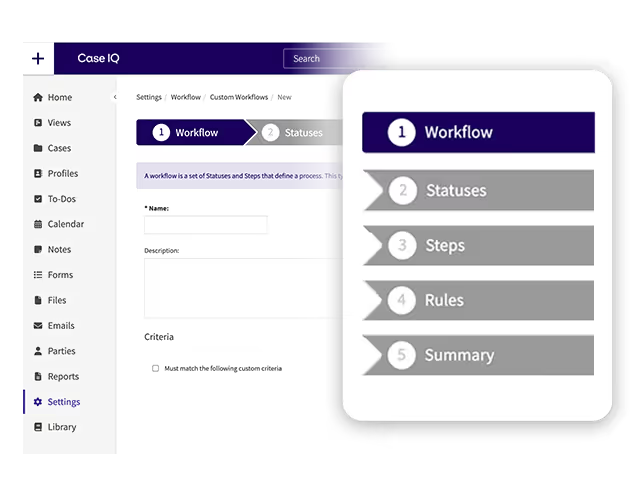
A report moves through five distinct stages: receipt, acknowledgement, assessment, feedback and closure. Record the receipt date for every report, because statutory clocks start there.
Statutory deadlines differ:
• Germany: as per the EU Directive, acknowledge within 7 days and give feedback within 3 months of acknowledgement. Feedback covers the follow-up measures planned or taken and the reasons for them.
• UK: there are no statutory deadlines for handling reports. SYSC 18 requires financial firms to handle reports effectively and promptly, and the government's consultation proposes set timescales.
• Switzerland: there are no statutory deadlines. Many groups apply the EU's 7 days and 3 months as an internal standard.
Keep statutory deadlines and internal service standards separate in your policy, so a missed internal target is not mistaken for a legal breach and a legal deadline is never treated as optional.
Feedback is not the same as closure. Three months is often too short to finish an investigation, but it is the point by which a German whistleblower must hear what follow-up is under way.
Example: a report of falsified test results reaches a German subsidiary on 2 March and is acknowledged on 5 March. By 5 June the investigation is still running, so the handler tells the whistleblower which steps are under way and when to expect the next update, and keeps the case open.
There is no single whistleblowing regulator across Germany, the UK and Switzerland. Authorities, external reporting routes and remedies differ in each country:
• Germany: whistleblowers can choose internal or external reporting, including the federal external reporting office at the Federal Office of Justice, BaFin and the Federal Cartel Office. Fines reach €50,000, or up to €500,000 for companies and retaliation is presumed unless the employer proves otherwise.
• UK: workers enforce their rights in the employment tribunal, where compensation is uncapped. External reporting goes to more than 90 prescribed persons, such as the FCA or HMRC. The FCA and PRA fined Barclays' CEO over £642,000 for trying to identify a whistleblower.
• Switzerland: there is no whistleblowing authority. Compensation for abusive dismissal is capped at 6 months' wages, and courts expect employees to report internally first. Companies face corporate criminal liability for offences such as bribery where their organisation is deficient.
Whatever the country, whistleblower protection depends on everyday safeguards: limit access to reports to named handlers, keep identities confidential and record the reasons for any decision affecting a whistleblower so you can show it was not retaliation. The country guides cover each authority, remedy and penalty in detail.
Example: a manager asks IT to trace the sender of an anonymous report. Refusing the request and logging it protects both the whistleblower and the company.
Implementation works best as a sequence:
1. Map your entities and the rules that apply to each, using the Germany, UK and Switzerland guides.
2. Assign an owner and a deputy for every entity, so reports are covered during absences and conflicts of interest.
3. Test every channel, including phone and anonymous routes, and check that only authorised people can see reports.
4. Define how and when whistleblowers get updates, and when cases escalate to legal, the board or an authority.
5. Communicate the reporting process to staff, managers and, where relevant, suppliers, in local languages.
6. Review evidence at least once a year: report volumes, deadlines met, outcomes and any signs of retaliation.
Keep track of change. The UK is consulting until 8 January 2027 on a duty for employers with 50+ staff, Germany's delayed evaluation report is still pending and the European Commission's evaluation of the EU Directive is due by the end of 2026. Switzerland has no law planned, despite OECD pressure.
Example: the German HR director owns the action 'test the oral channel'. The evidence is a dated test call, the handler's acknowledgement within 7 days and a note in the case log, reviewed by the group compliance lead each quarter.
FAQs
Use the guide for each country where you have a legal entity or employ workers. Duties attach to each entity: a Swiss parent with a German subsidiary of 50+ employees and staff in the UK follows Germany's HinSchG for the subsidiary and UK law for UK staff. Where requirements differ, configure your programme to meet the strictest one that applies.
Yes, if it is configured country by country. A single platform and group policy can work, but each German subsidiary with 50+ employees must keep responsibility for follow-up and meet the 7-day and 3-month deadlines. UK financial firms must also meet SYSC 18. In Switzerland, the set-up should respect secrecy laws and the expectation that employees report internally first.
No. Software supports compliance but does not establish it. You still need a written policy, trained and impartial handlers, a process for investigating and responding to reports, and protection from retaliation. A secure platform helps you show these work in practice in each country, with confidential and anonymous reporting, two-way communication, time-stamped records and response deadlines.